Welcome to WordPress. This is your first post. Edit or delete it, then start writing!
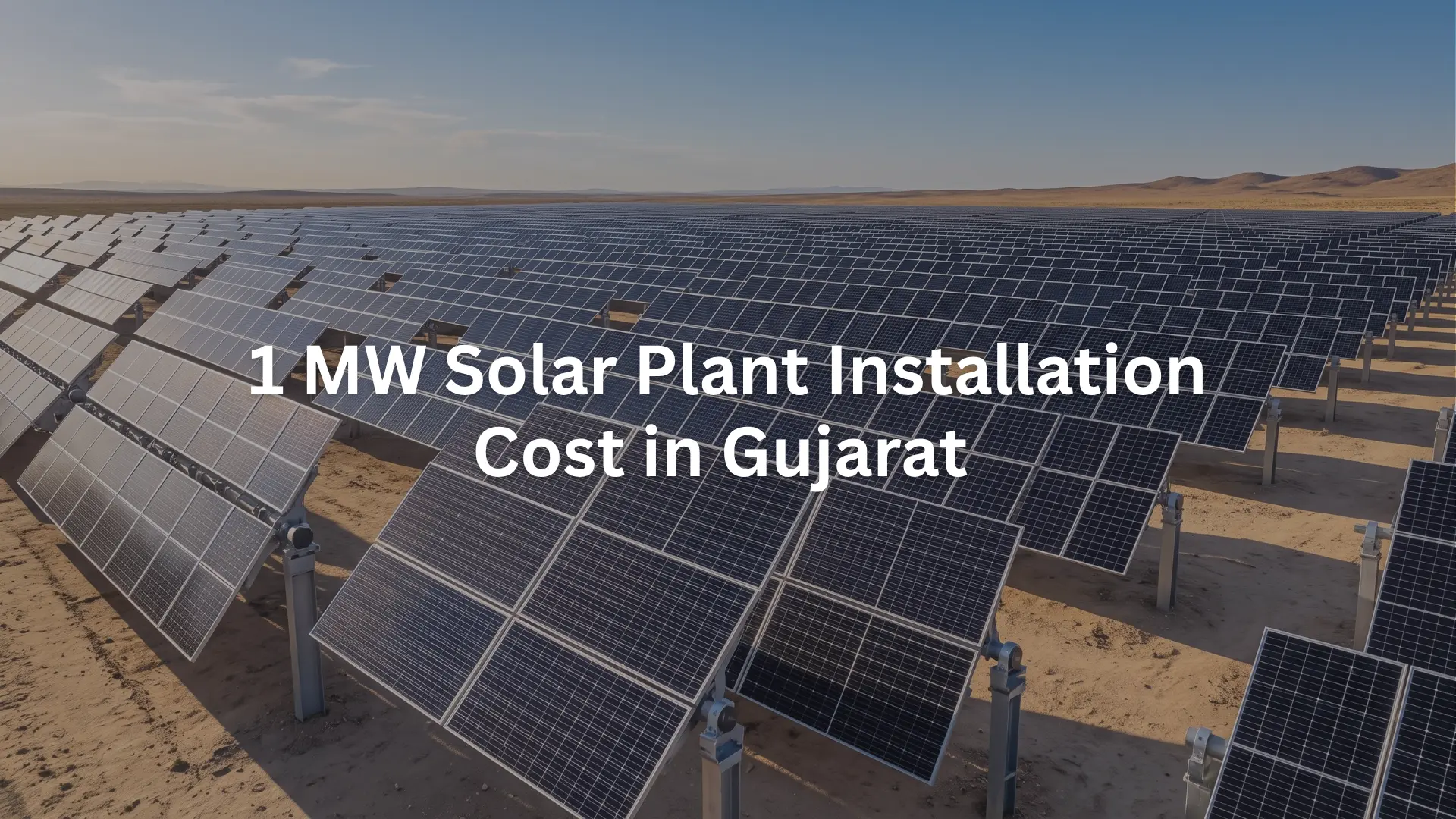
Electricity is one of the largest operating expenses for many factories, warehouses, commercial buildings, educational institutions, and industrial facilities in Gujarat. As electricity tariffs continue to increase, businesses are looking for long-term solutions that can reduce operating costs and improve energy independence.
A 1 MW (1000 kW) solar power plant is one of the most popular choices for medium and large industrial facilities because it can generate a significant amount of electricity every day and provide substantial savings over its operating life.
However, before investing in a project of this size, most business owners and decision-makers have several important questions:
This guide answers these questions in simple language so you can understand the financial and technical aspects of a 1 MW solar project before making a decision.
If you are planning a rooftop installation for a factory, warehouse, or commercial building, you may also find our article on Industrial Solar Rooftop Installation Cost in Gujarat useful, as it explains industrial rooftop pricing and planning in more detail.
The cost of a 1 MW solar power plant in Gujarat depends on several factors, including the type of installation, solar panel technology, inverter selection, structural requirements, electrical infrastructure, and site conditions.
For most industrial and commercial projects, the estimated investment range is:
|
Project Type |
Estimated Cost Range |
|
1 MW Ground-Mounted Solar Plant |
₹5 Crore |
|
1 MW Rooftop Solar Plant |
₹4.5 Crore |
|
1 MW Premium High-Efficiency System |
₹3.5 Crore – ₹5.5 Crore |
These figures are indicative only and should not be considered final quotations. The actual project cost depends on the property, roof structure, electrical infrastructure, and the quality of components selected.
For industrial projects, a detailed site survey and energy assessment is the most reliable way to determine the actual investment required.
A 1 MW solar plant is a solar power system with a total installed capacity of 1000 kilowatts (kW). It is designed to generate electricity from sunlight and supply power to industrial, commercial, or institutional facilities.
A system of this size is commonly installed on:
Under favorable sunlight conditions in Gujarat, a properly designed 1 MW solar plant can typically generate 4,000–5,000 units of electricity per day, depending on weather conditions, panel orientation, system design, and maintenance practices.
This level of generation makes a 1 MW plant suitable for businesses with significant daytime electricity consumption.
Many buyers expect a fixed price for a 1 MW solar project, but the cost can vary considerably from one installation to another. Understanding the factors that influence pricing helps you compare proposals more accurately.
The type of solar panel selected has a major impact on both project cost and long-term performance.
Mono PERC panels are widely used because they provide a good balance between efficiency and affordability.
TOPCon technology offers higher efficiency and better performance in low-light conditions compared to traditional Mono PERC panels.
Heterojunction Technology (HJT) panels are among the most advanced options currently available. They offer high efficiency, lower degradation, and strong performance in high-temperature conditions.
If you want to understand the differences between these technologies, our HJT Solar Panel Guide explains how HJT panels compare with other solar technologies and where they are most beneficial.
The inverter converts the DC electricity generated by solar panels into AC electricity that can be used by industrial equipment.
For a 1 MW plant, the EPC company may recommend:
Inverter quality, efficiency, monitoring features, and warranty terms all affect the overall project cost.
The mounting structure is another important cost factor.
A 1 MW project may be installed as:
Ground-mounted systems usually require land preparation and civil work, while rooftop systems require detailed structural assessment of the building.
Large industrial solar plants require additional electrical components such as:
These components are essential for safe and reliable operation and are included in professionally designed industrial projects.
Project complexity also affects pricing.
Factors include:
Two factories with the same 1 MW capacity requirement may have different installation costs because their roof structures and electrical infrastructure are different.
One of the first decisions businesses must make is whether to install the system on a rooftop or on open land.
Both options have advantages, and the right choice depends on available space, roof condition, and operational requirements.
|
Factor |
Rooftop Solar Plant |
Ground-Mounted Solar Plant |
|
Installation Cost |
Slightly higher |
Moderate |
|
Land Requirement |
Not required |
Requires dedicated land |
|
Maintenance Access |
Moderate |
Easier |
|
Best For |
Factories, warehouses, commercial buildings |
Businesses with available land |
|
Structural Assessment |
Required |
Minimal |
For many industrial facilities in Gujarat, rooftop solar is often preferred because it utilizes existing factory roof space without requiring additional land acquisition.
Ground-mounted systems may be more suitable when large unused land parcels are available and easier maintenance access is desired.
Choosing between rooftop and ground-mounted installation should be based on a technical site assessment rather than cost alone, as factors such as roof strength, shading, and future expansion plans can significantly influence the overall value of the project.
One of the most common questions businesses ask is, “How much space is required for a 1 MW solar plant?”
The answer depends on whether the project is ground-mounted or rooftop-mounted.
A ground-mounted 1 MW solar plant typically requires 4 to 5 acres of land. The exact requirement depends on:
Higher-efficiency solar panels can slightly reduce the land requirement because fewer panels are needed to achieve the same capacity.
For a rooftop installation, a 1 MW system generally requires approximately 80,000 to 1,00,000 square feet of shadow-free roof area.
Large factories, warehouses, manufacturing units, logistics facilities, and commercial buildings are often suitable candidates for rooftop installations because they already have substantial roof space available.
Before planning a rooftop project, the building should undergo a structural assessment to ensure that the roof can safely support the weight of the solar system and mounting structure.
A 1 MW solar plant can generate a substantial amount of electricity throughout the year.
Under favorable sunlight conditions in Gujarat, a properly designed and maintained system can typically generate:
|
Time Period |
Typical Electricity Generation |
|
Per Day |
4,000–5,000 units |
|
Per Month |
1.2–1.5 lakh units |
|
Per Year |
14–18 lakh units |
Actual generation depends on several factors, including:
Gujarat is considered one of the strongest solar markets in India because of its high solar radiation and long sunshine hours, which makes large-scale solar projects particularly attractive for industrial and commercial consumers.
For most industrial buyers, the most important question is not the installation cost—it is how much money the system can save every year.
The savings depend on:
For example, if a factory consumes most of the electricity generated by the solar plant during the day, the savings can be significant.
Assume:
Potential annual savings:
15,00,000 × ₹7 = ₹1,05,00,000 per year
This is a simplified example, but it shows why many industrial facilities consider rooftop solar a long-term cost reduction strategy.
Businesses with high daytime electricity consumption usually achieve better financial returns because a larger portion of the generated power is used directly within the facility.
A 1 MW solar plant is generally evaluated as a long-term infrastructure investment rather than a short-term expense.
For many industrial and commercial projects in Gujarat, the typical payback period is approximately 3 to 6 years, depending on:
After the payback period, the electricity generated by the system continues to provide financial savings for many years.
Quality solar panels can continue generating electricity for 30 years or more, which means a well-designed 1 MW plant can deliver long-term value long after the initial investment has been recovered.
This is one of the main reasons large manufacturing companies and commercial facilities invest in solar energy—they gain predictable electricity costs for decades.
This is one area where many businesses get confused.
The PM Surya Ghar: Muft Bijli Yojana is primarily designed for residential rooftop solar systems. Industrial and commercial 1 MW solar projects generally do not receive the residential subsidy available under PM Surya Ghar.
If you are looking for information about residential rooftop subsidies, you can refer to this guide on PM Surya Ghar Yojana – How to Apply Online in Gujarat.
For industrial projects, the financial benefits usually come from:
When evaluating a 1 MW industrial project, it is better to focus on annual savings and return on investment rather than residential subsidy calculations.
A 1 MW solar project requires several technical and utility-related approvals before commissioning.
The exact process may vary depending on whether the system is connected to the distribution network, operated as a captive plant, or installed under another commercial arrangement.
Common approval and project stages include:
A professional EPC company usually assists with the technical documentation, engineering drawings, utility coordination, and commissioning process required for industrial installations.
The installation timeline depends on project size, site conditions, procurement schedules, and utility approvals.
A typical industrial project may follow a timeline similar to the following:
|
Project Stage |
Typical Timeline |
|
Site Survey and Energy Assessment |
1–2 weeks |
|
Engineering and System Design |
2–4 weeks |
|
Material Procurement |
2–5 weeks |
|
Installation |
4–8 weeks |
|
Testing and Commissioning |
1–2 weeks |
For many industrial rooftop projects, the complete process can often be completed within 2 to 3 months, provided that approvals, materials, and site access are available on schedule.
A good EPC company should provide a realistic project schedule before work begins and coordinate installation activities to minimize disruption to factory operations.
A 1 MW solar plant is designed to operate for 30 years or more, but regular maintenance is essential to maintain high energy generation and ensure long-term reliability.
One of the biggest misconceptions is that solar plants require no maintenance. In reality, dust accumulation, loose electrical connections, inverter issues, and weather-related wear can gradually reduce performance if the system is not maintained properly.
A typical maintenance program for a 1 MW solar plant includes:
In industrial areas, solar panels are often exposed to dust, pollution, chemical particles, and bird droppings. Even a thin layer of dust can reduce energy generation.
Regular cleaning helps maintain optimal performance, especially during dry seasons when dust accumulation is higher.
If you want to understand how cleaning affects energy generation and system life, our article Solar Panel Cleaning and Maintenance explains the complete maintenance process and best practices for industrial solar plants.
Modern 1 MW solar plants are usually equipped with monitoring systems that track electricity generation, inverter performance, and system health.
A good maintenance program focuses on preventing problems before they become expensive repairs, which helps improve plant availability and long-term returns.
A 1 MW solar plant is a major investment, so choosing the right EPC partner is just as important as choosing the right solar panels.
When evaluating a solar EPC company, focus on technical capability and long-term support, not just the lowest quotation.
Choose a company that has experience with:
The company should be able to handle:
Ask about:
The EPC company should follow proper installation procedures and industrial safety practices throughout the project.
Long-term support is important for a plant expected to operate for decades.
Look for companies that provide:
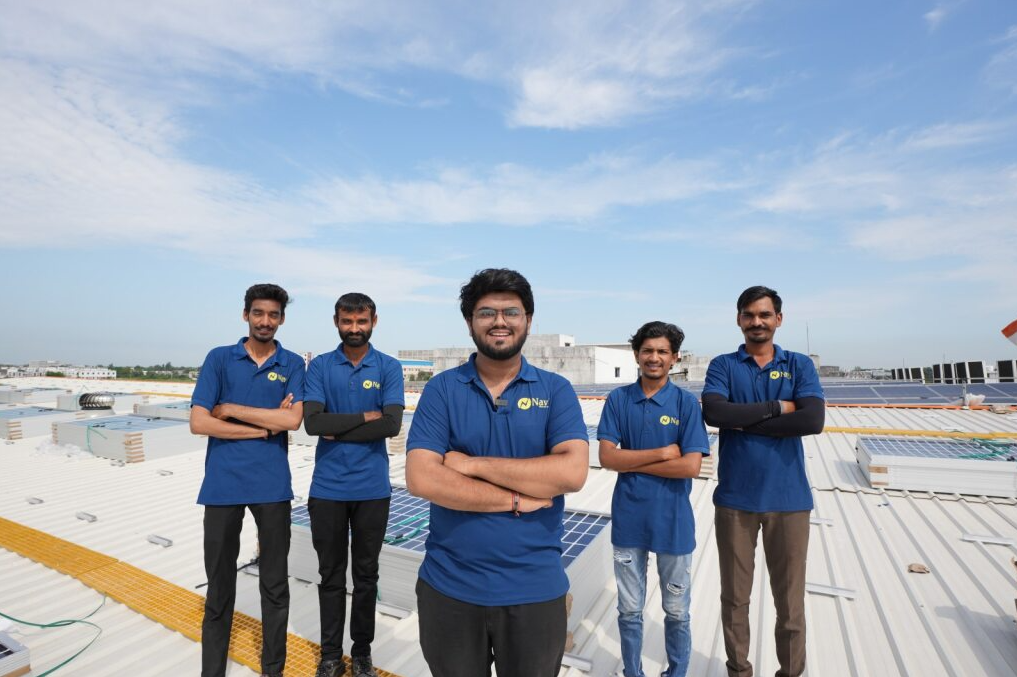
At Navi Energy, we work with industrial and commercial customers across Gujarat to design and install rooftop solar systems that match their energy consumption, roof structure, and long-term business goals.
For large-scale projects such as 1 MW industrial solar plants, our approach focuses on:
We believe that every factory has different energy requirements, which is why a detailed technical assessment is always the first step before recommending a system configuration. Contact our team now for a detailed discussion
What is the cost of a 1 MW solar plant in Gujarat?
The estimated cost of a 1 MW solar plant in Gujarat generally ranges from ₹3.5 crore to ₹6.5 crore, depending on whether the system is ground-mounted or rooftop-mounted, the type of solar panels used, inverter selection, and site conditions.
How many acres are required for a 1 MW solar plant?
A ground-mounted 1 MW solar plant typically requires 4–5 acres of land. The exact requirement depends on panel efficiency, layout design, and site conditions.
How much roof area is required for a 1 MW rooftop solar plant?
A 1 MW rooftop solar plant generally requires 80,000–1,00,000 square feet of shadow-free roof area, depending on the type of solar panels and system design.
How many units of electricity does a 1 MW solar plant generate per day?
A properly designed 1 MW solar plant in Gujarat can typically generate 4,000–5,000 units of electricity per day under favorable sunlight conditions.
What is the annual generation of a 1 MW solar plant?
A 1 MW solar plant can typically generate 14–18 lakh units (kWh) of electricity per year, depending on location, weather, and system performance.
Is a 1 MW solar plant profitable?
For many industrial and commercial users, a 1 MW solar plant can be highly profitable because it significantly reduces electricity expenses and provides long-term energy cost stability.
What is the payback period for a 1 MW solar plant?
The typical payback period is approximately 3–6 years, depending on project cost, electricity tariff, financing, and annual energy generation.
Is subsidy available for a 1 MW industrial solar plant in Gujarat?
The PM Surya Ghar residential subsidy is generally not applicable to industrial and commercial 1 MW solar projects. Industrial projects are usually evaluated based on energy savings, ROI, and other commercial benefits.
How long does a 1 MW solar plant last?
A well-designed and properly maintained 1 MW solar plant can continue generating electricity for 30 years or more, although panel output gradually decreases over time.
A 1 MW solar plant is one of the most effective long-term investments for factories, warehouses, commercial buildings, and industrial facilities in Gujarat. While the initial investment can be substantial, the combination of high electricity generation, significant annual savings, and a system life of more than 30 years makes it an attractive solution for businesses with consistent daytime power consumption.
The actual installation cost depends on factors such as panel technology, inverter selection, roof or land conditions, electrical infrastructure, and project design. This is why a detailed site assessment is essential before finalizing the investment.
When planning a project of this size, focus on long-term performance, engineering quality, safety standards, and after-sales support, rather than comparing quotations only on price.
If you are evaluating a 1 MW industrial rooftop solar project in Gujarat, a professional technical assessment can help determine the most suitable system configuration, expected energy generation, and long-term financial benefits for your facility.
306, Sunshine complex, Sudama chowk, Mota varacha., Surat, Gujarat 394101
Whether it’s your home or your business, it’s time to switch to clean and cost-saving solar energy. Our expert team provides hassle-free Solar installation across Gujarat, built for long-term savings and reliable power.